
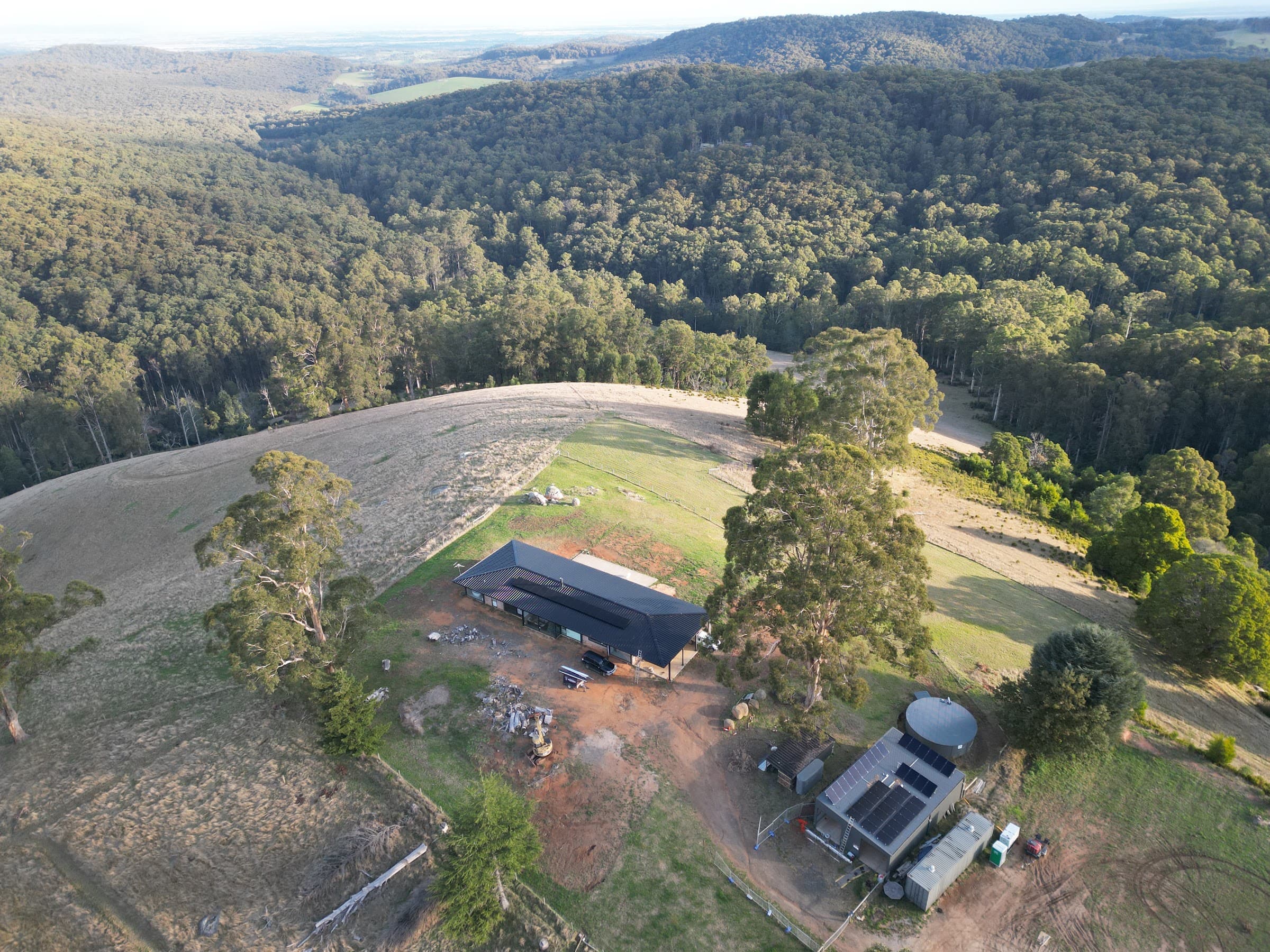
Energy independence
Standalone power, built for country the grid never reached.
Discover the benefits of off-grid solar for complete energy independence. We help you choose the right system for your property and your lifestyle, and back it with reliable service and equipment so you have the power you need — whatever the weather is doing.
Why people call us
When the connection quote comes back at six figures.
Plenty of our off-grid work starts with a distributor quote to run power to a block — and the number on it. Once you compare that against a standalone system that you own outright and that has no supply charge for the next twenty-five years, the decision usually makes itself.
The rest is properties where the grid simply doesn't go: farms, bush blocks, alpine country, sheds a long way from anywhere. We have been building these systems for years, and they are the work we are proudest of.
- New builds where a grid connection is uneconomic or impossible
- Existing off-grid systems that were undersized or have aged out
- Farms and sheds running pumps, cool rooms and workshop loads
- Alpine and high-country blocks with hard access and long winters
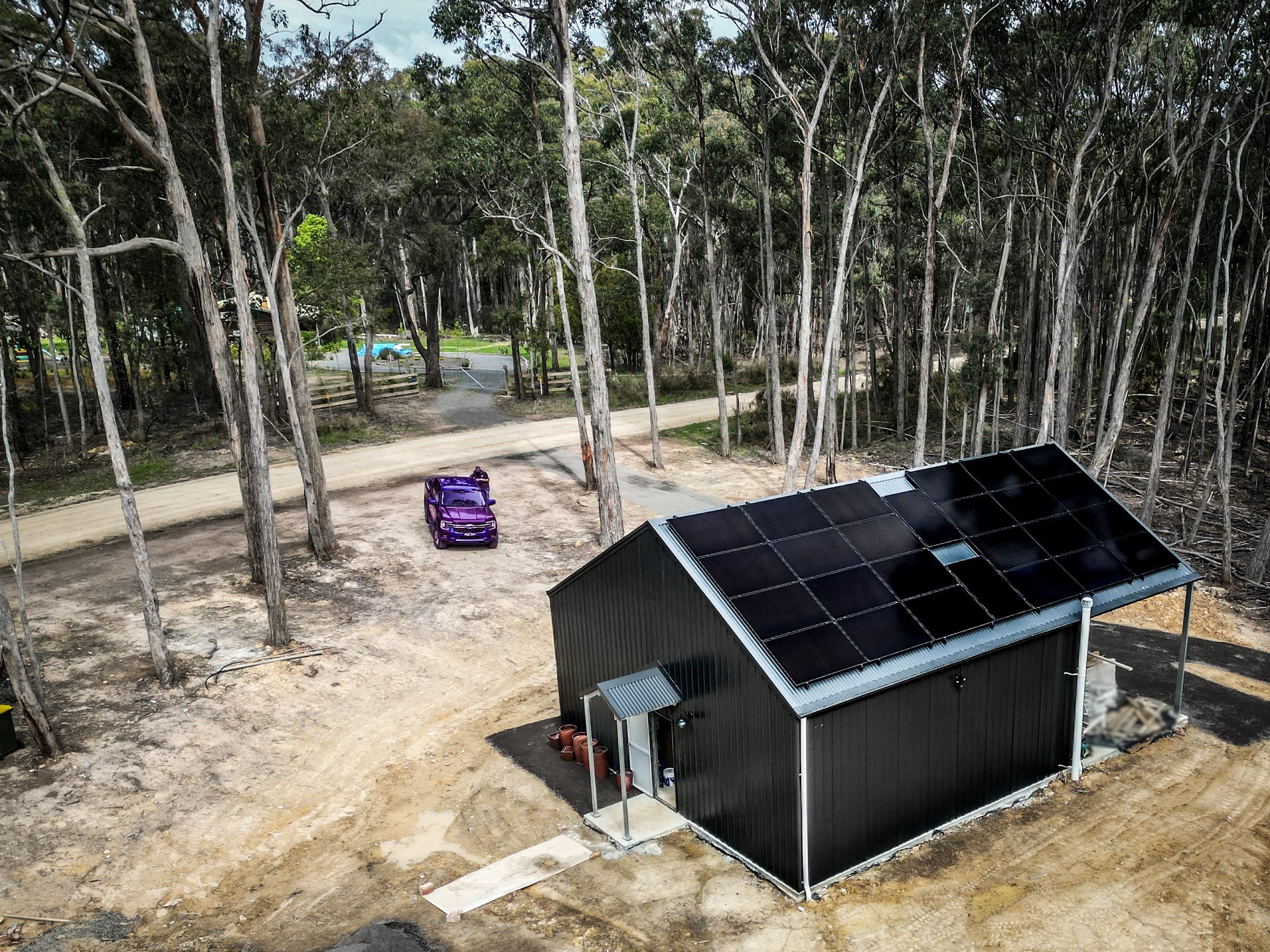
The engineering
Sized for your worst week, not your best day.
An off-grid system that works in February and fails in July is not a system, it is an expensive lesson. We size the array, the battery bank and the backup around the hardest part of the year — a run of overcast winter days with the house fully occupied.
That means honest conversations up front about loads. Electric hot water, a workshop, a pool pump, a couple of EVs — all of it changes the design. We would rather have that conversation before you commit than after.
- Array and storage sized on winter yield and real daily load
- Generator changeover integrated and automated where it's warranted
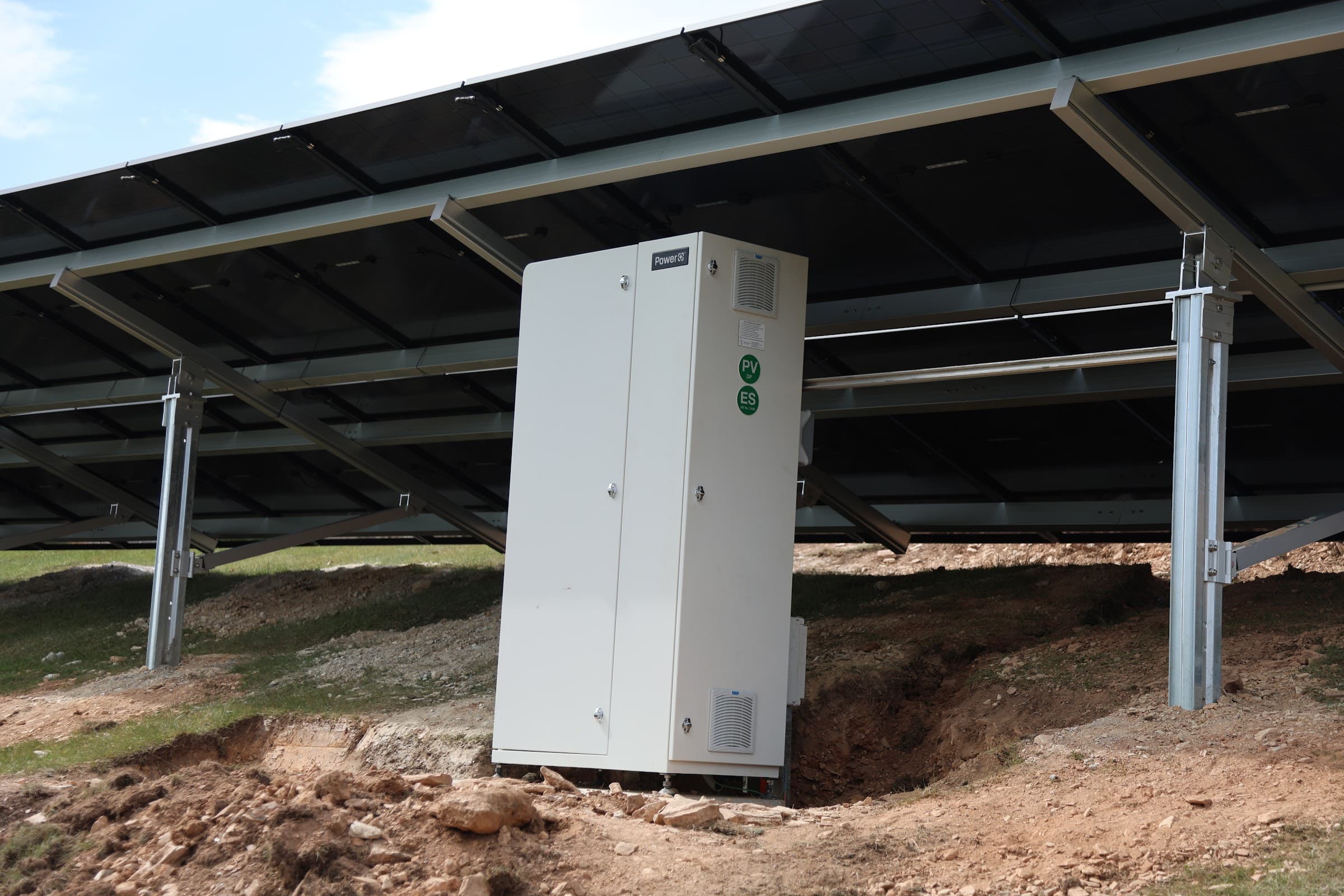
- Ground-mount arrays where roof space or orientation won't do the job
- Remote monitoring so we can see a problem before you do
Afterwards
Support that reaches as far as the install did.
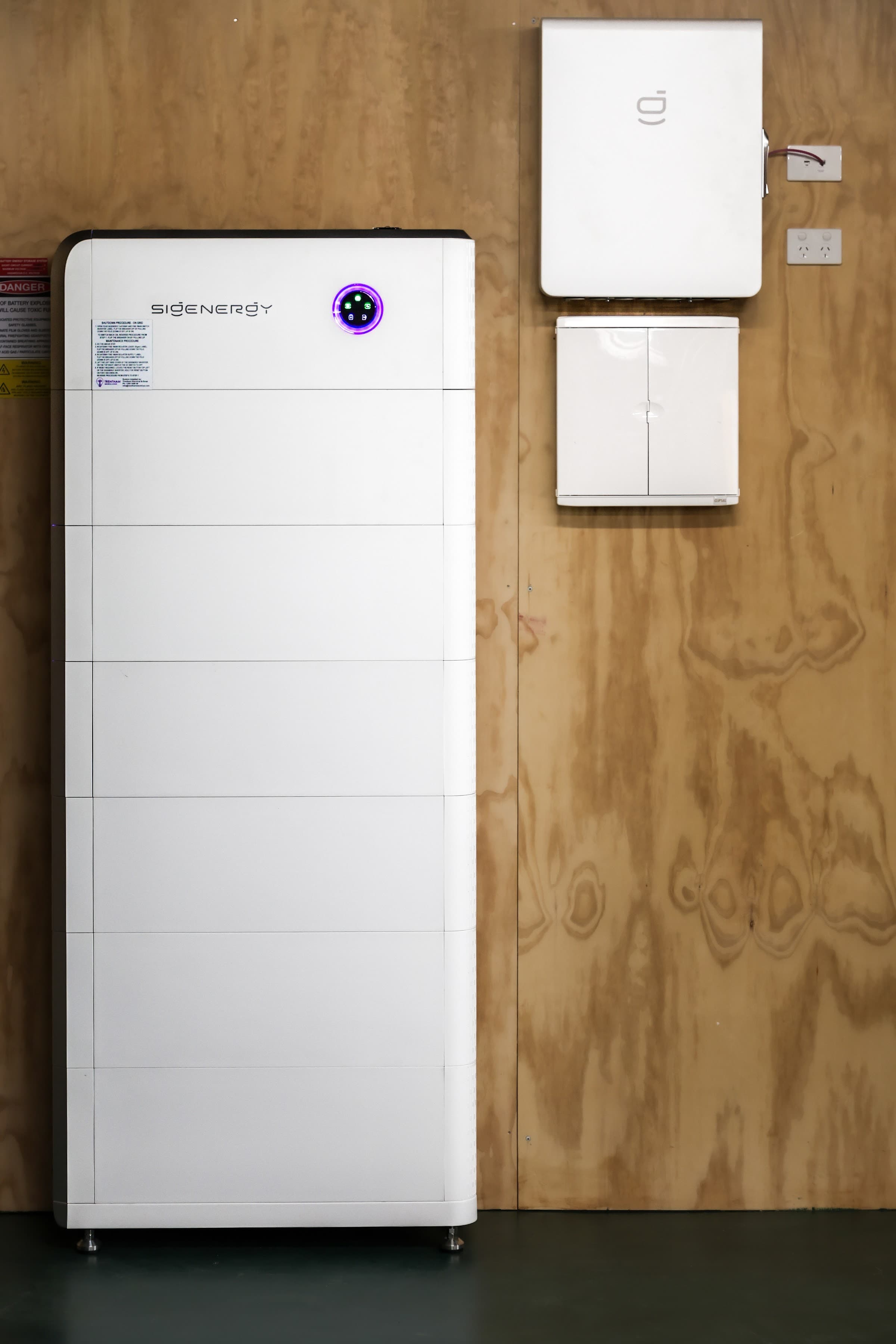
Being off-grid means there is no network to fall back on — so the support matters more than the hardware. We commission every system properly, hand over monitoring you can actually read, and stay on the end of the phone.
We specify equipment we can still get parts for and still service in ten years. That rules out some cheaper options, and we are comfortable with that.
What makes an off-grid system last
The things that decide whether it still works in year ten.
Honest load assessment
We map every load before we size anything. Surprises after commissioning are design failures, not user errors.
Winter-first sizing
Designed around the worst week of the year, so the good months are comfortable rather than the bad months being marginal.
Serviceable equipment
Brands with local parts and support. A warranty is only worth the company behind it.
Proper backup
Generator inlets and automatic changeover set up correctly, so a bad run of weather is an inconvenience, not a crisis.
Remote monitoring
We can see how the system is performing without driving three hours to look at it.
Built for the site
Ground mounts, cyclone-rated fixings, animal-proofing, cable runs planned for the actual terrain.
Try it yourself
Size your own off-grid system in two minutes.
Pick what you'd run, tell us roughly where the property is, and our calculator sizes the array, battery and inverter the way we would — winter-first, with the honest seasonal story on a real chart.
Load & energy control
The smart half of off-grid power.
An off-grid system isn't just panels and a battery — it's control. We fit home automation and smart switching so the big loads work with the sun instead of against the battery.
It's the difference between a system you have to think about and one that quietly runs itself.
- Hot water, bore and pressure pumps timed into the solar window automatically
- Non-essential circuits shed themselves before they can flatten the battery
- The whole system — solar, storage, loads, generator — visible from your phone
Sun-first scheduling
Big loads wait for the solar window, not the other way round.
Automatic load shedding
Smart switches drop the non-essentials when storage runs low.
One app for the lot
Generation, battery and every controlled circuit in one view.
Set up by the designers
Control is designed in with the system, not bolted on after.
Where we go
Northern and western Victoria, plus the High Country.
Off-grid is the one thing we'll travel a long way for. We design and install standalone systems right across the north and west of the state — and up into the alpine country around Mansfield, which is some of the hardest and most rewarding work we do.
Eastern Victoria and Gippsland aren't on the list for now. We would rather do a smaller footprint properly than spread ourselves across the whole state and support none of it well.
Tell us about the property.
Where it is, what's on it, and what you need to run. We'll tell you honestly whether standalone power stacks up — and what it would take.